Historical Interpretation Practice (HIP)
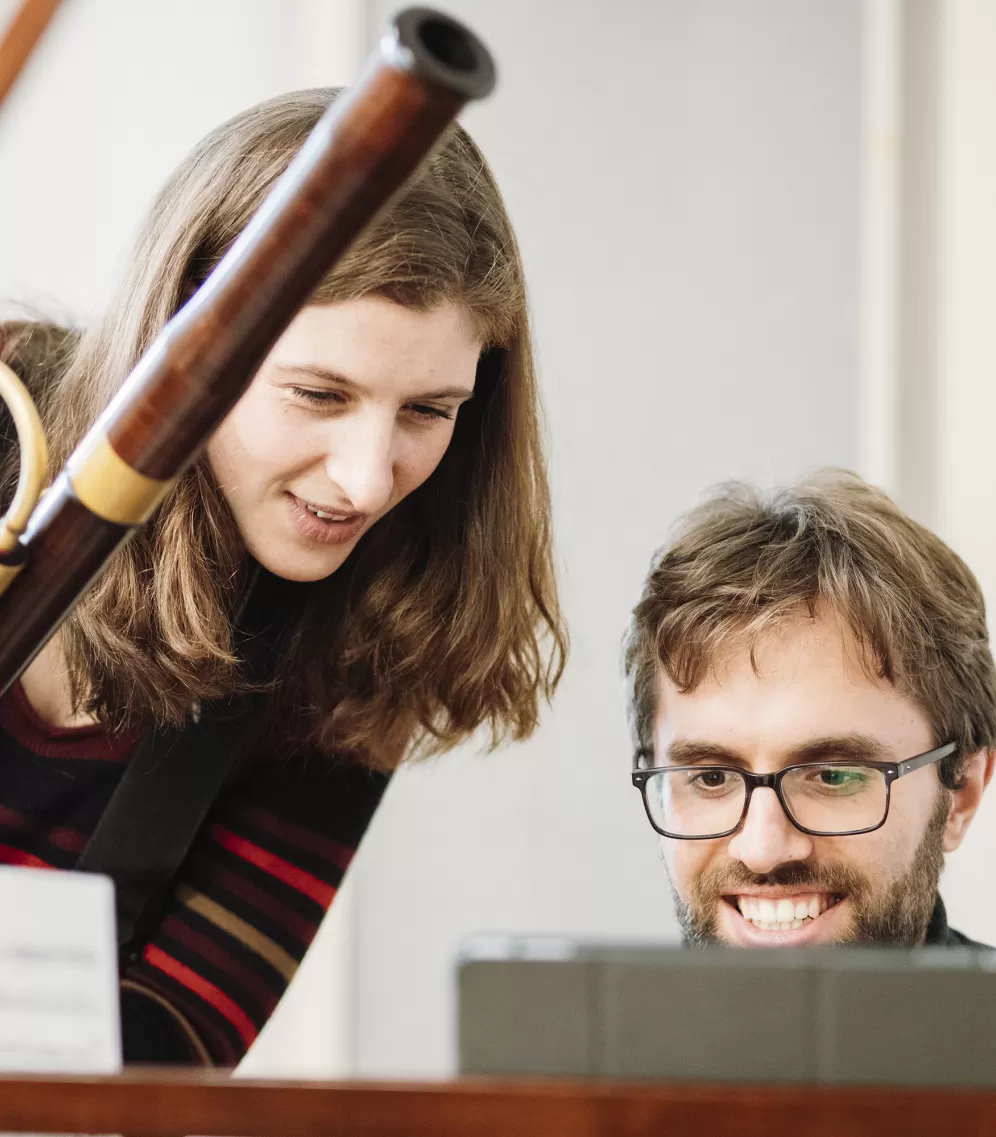
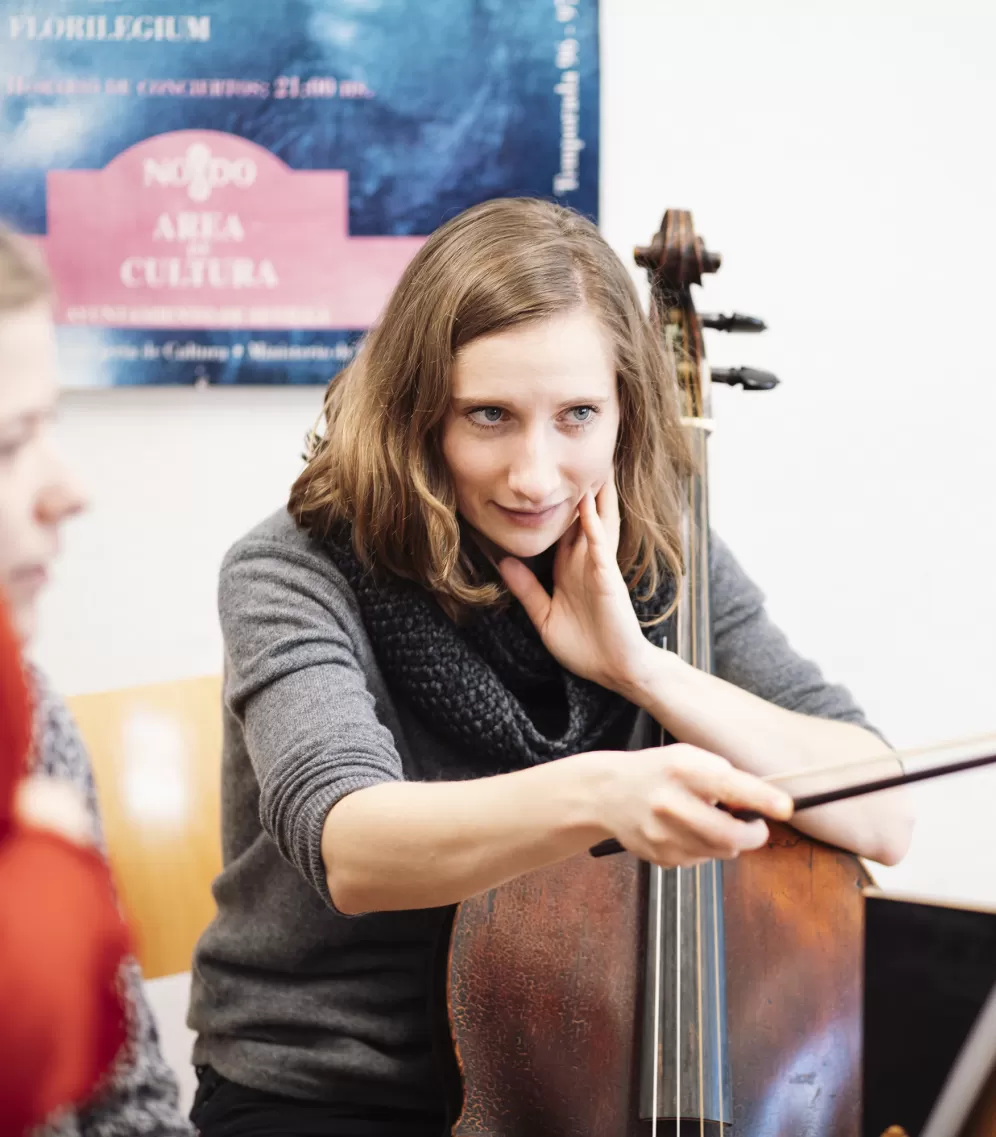
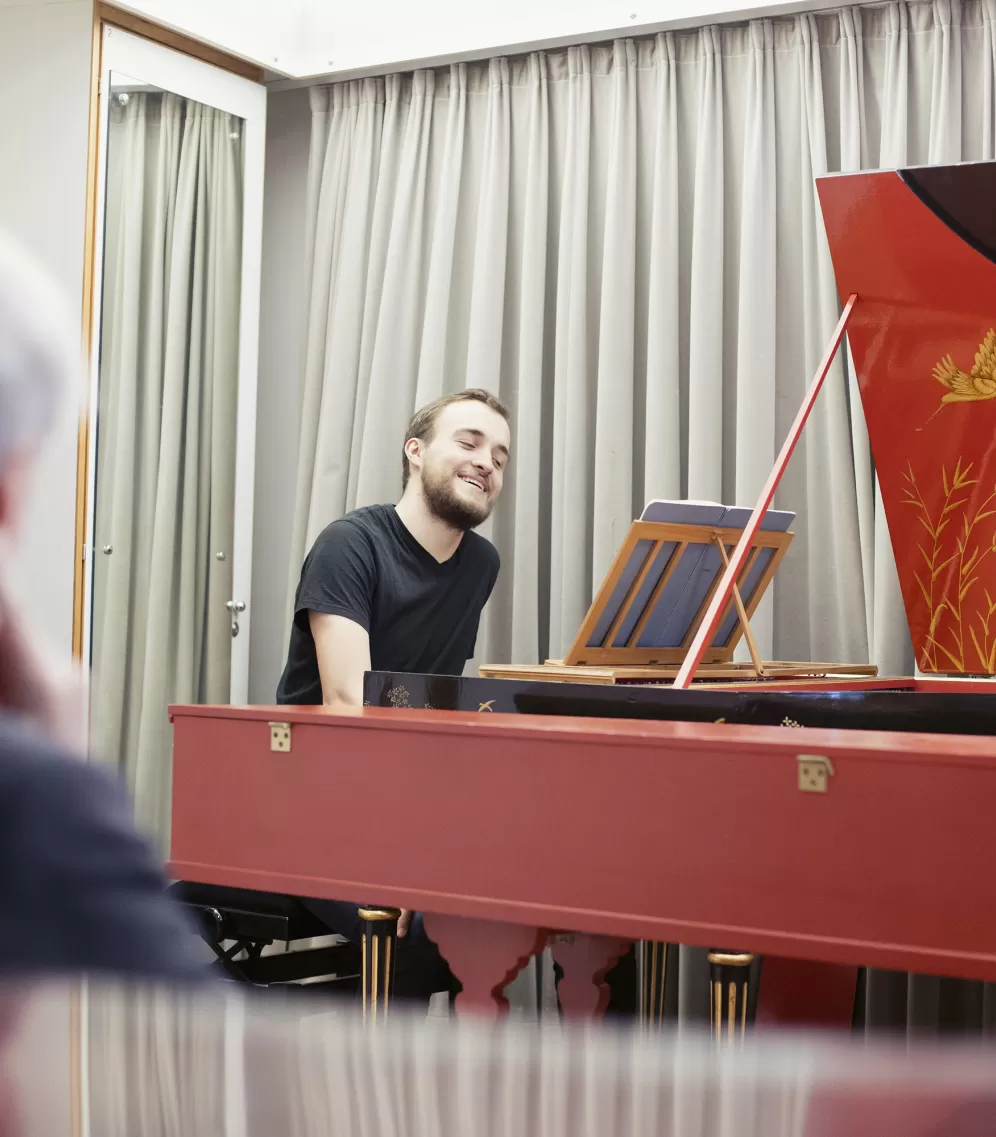
For us, the historically informed interpretation of early music is contemporary art.
We see the exploration of early music and its performance practice as a revolutionary force that refreshingly upsets unquestioned musical traditions and opens up a wealth of "unheard-of" possibilities.
Interdisciplinary references and source research
Early music works are understood and reinterpreted from the context of their time. Students in the Master's programme Historical Interpretation Practice learn and deepen these skills, always linking their own artistic practice with academic research. In addition, with the Institute for Historical Interpretive Practice (HIP), we form a central point of contact for students of all disciplines.
The repertoire ranges from the Middle Ages to the 19th century. Ensemble work is just as elementary for us as interdisciplinary work, as is intensive source research and individual lessons on historical instruments - which are available in large numbers at the HfMDK.
A stroke of luck! In addition to numerous high-quality wind, string and keyboard instruments of various stylistic orientations, the inventory includes, for example, a sonorous, extremely high-quality fortepiano by Aloys Biber from 1825 and probably the only original arpeggione preserved in playable condition. A new addition is a two-manual harpsichord from the workshop of Matthias Kramer - a replica of an instrument designed by Christian Zell in 1728. We were able to acquire this harpsichord thanks to a donation from the Gesellschaft der Freunde und Förderer (GFF) of the HfMDK and the DZ BANK Kulturstiftung.
Course of studies and application information
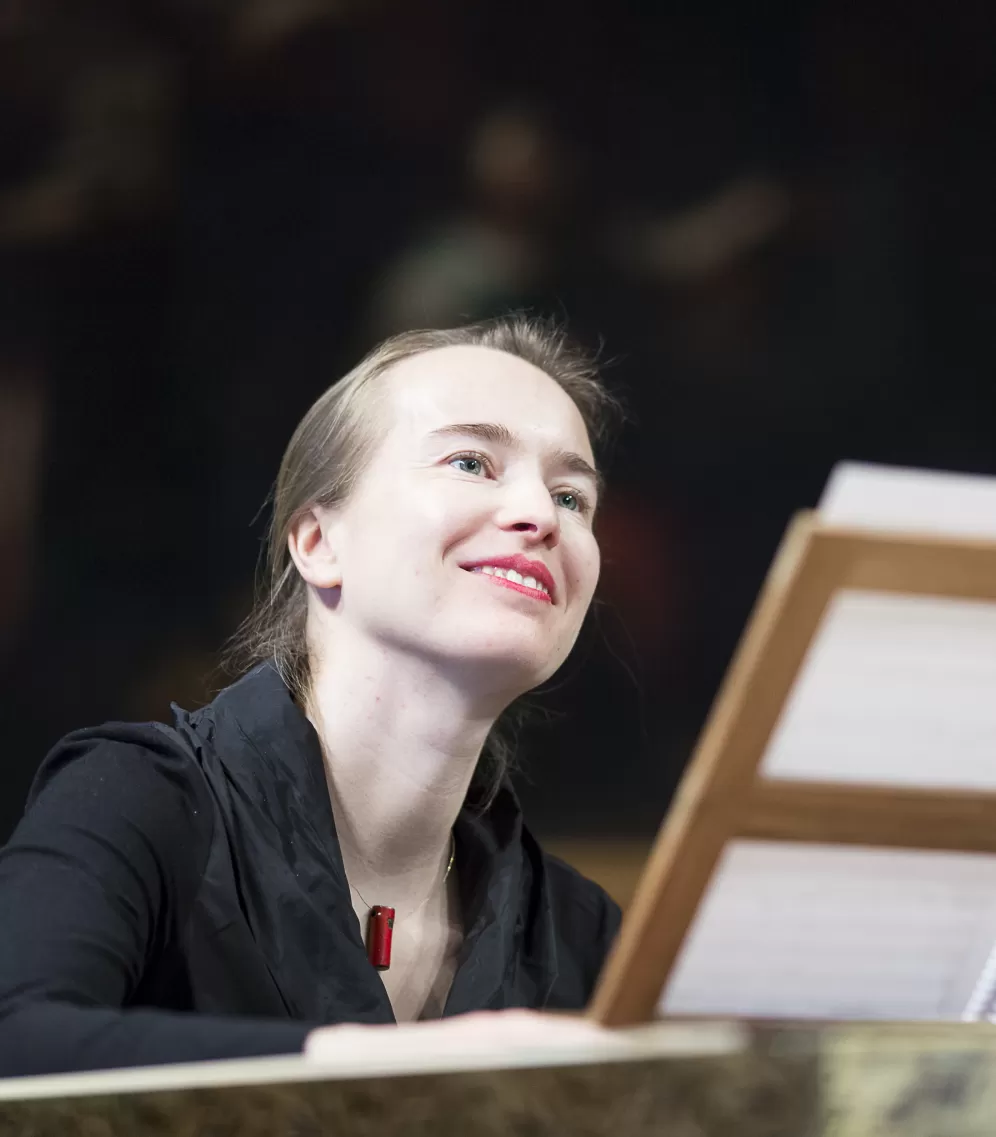
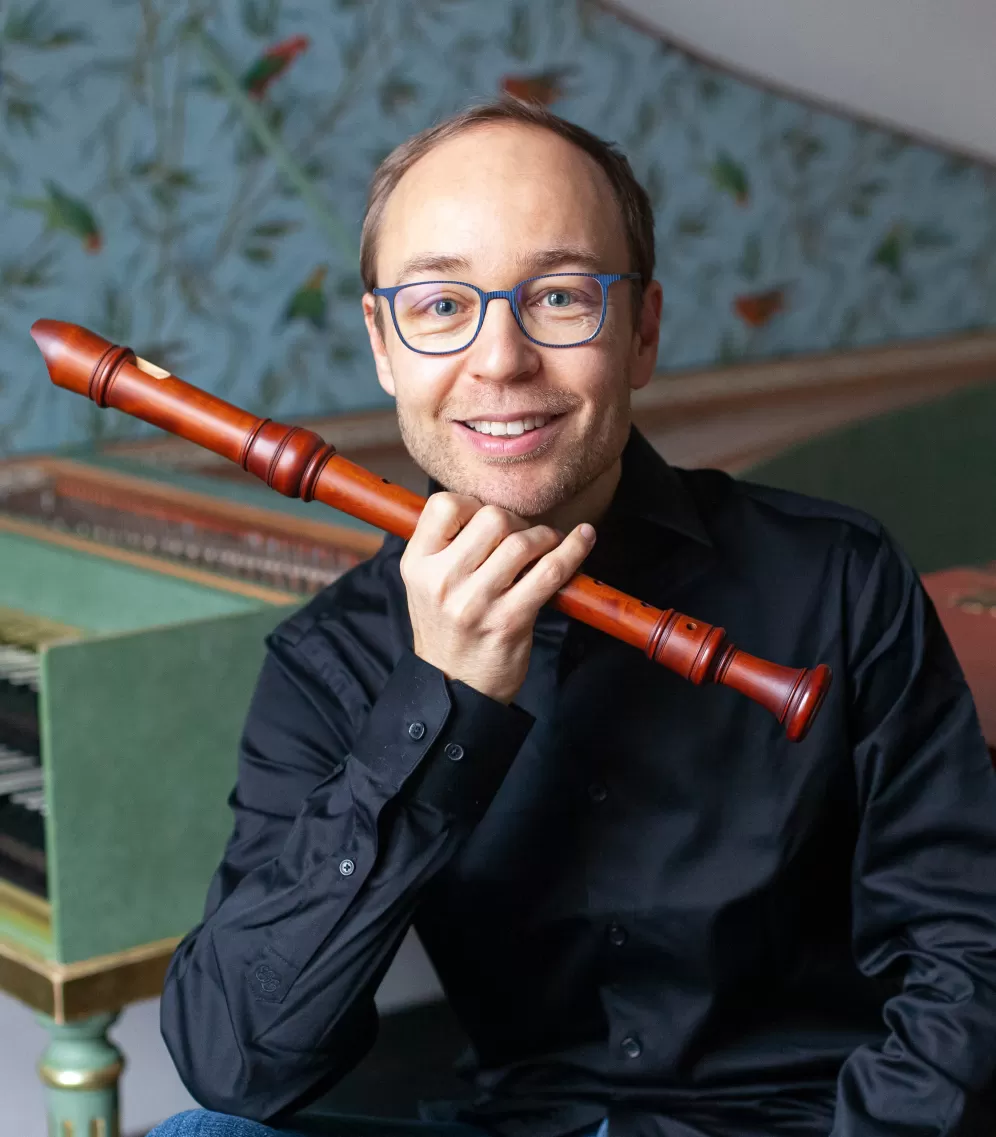
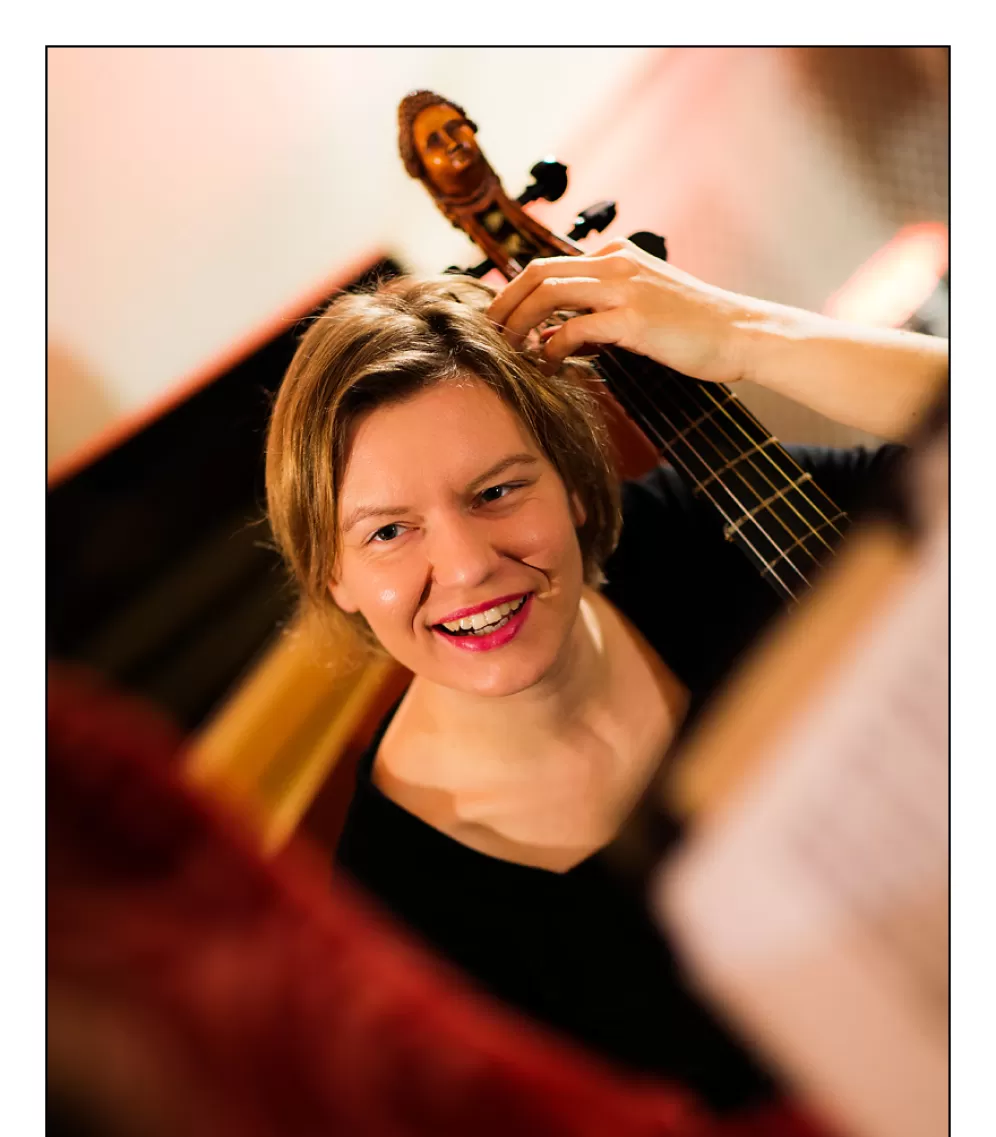
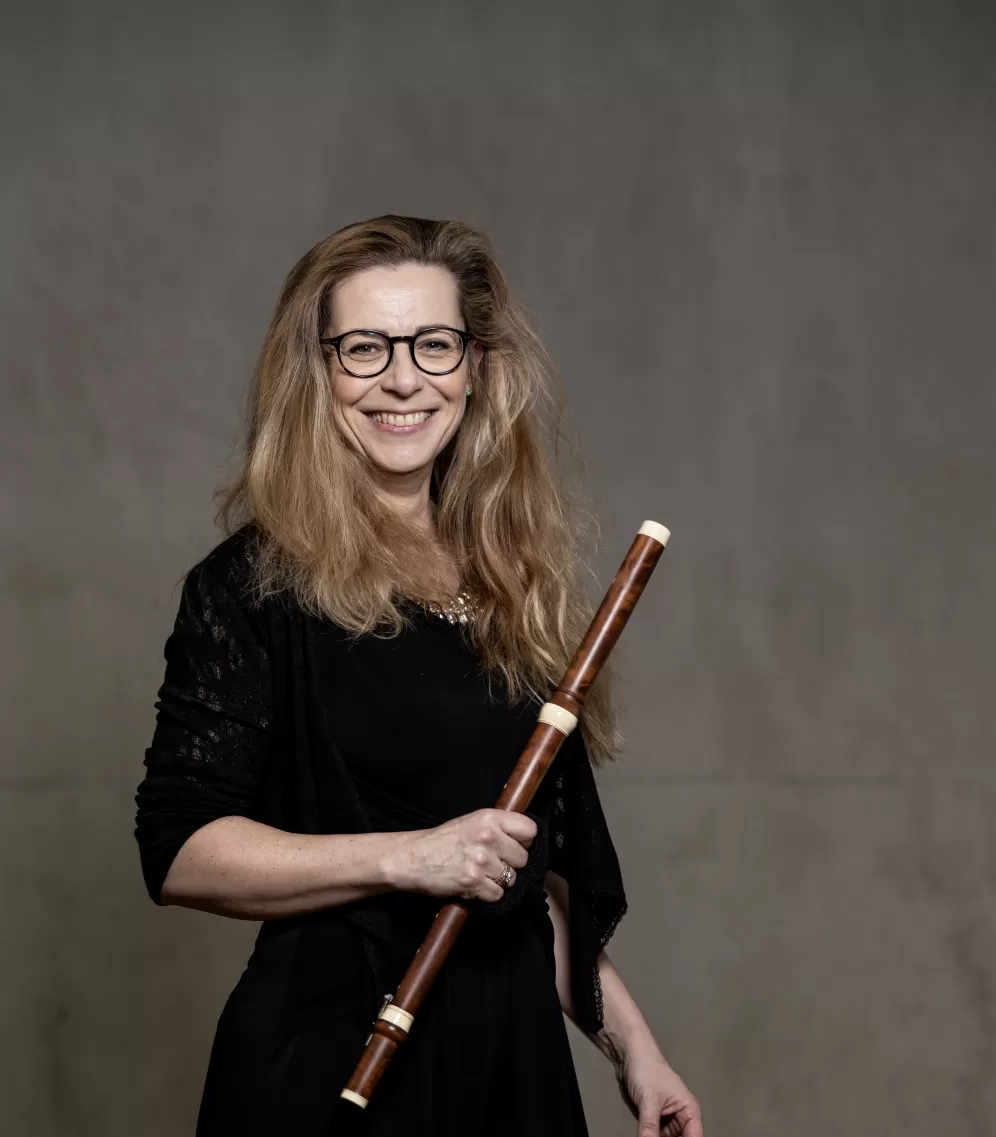
Baroque Nights, Baroque Marathon: Early Music #live
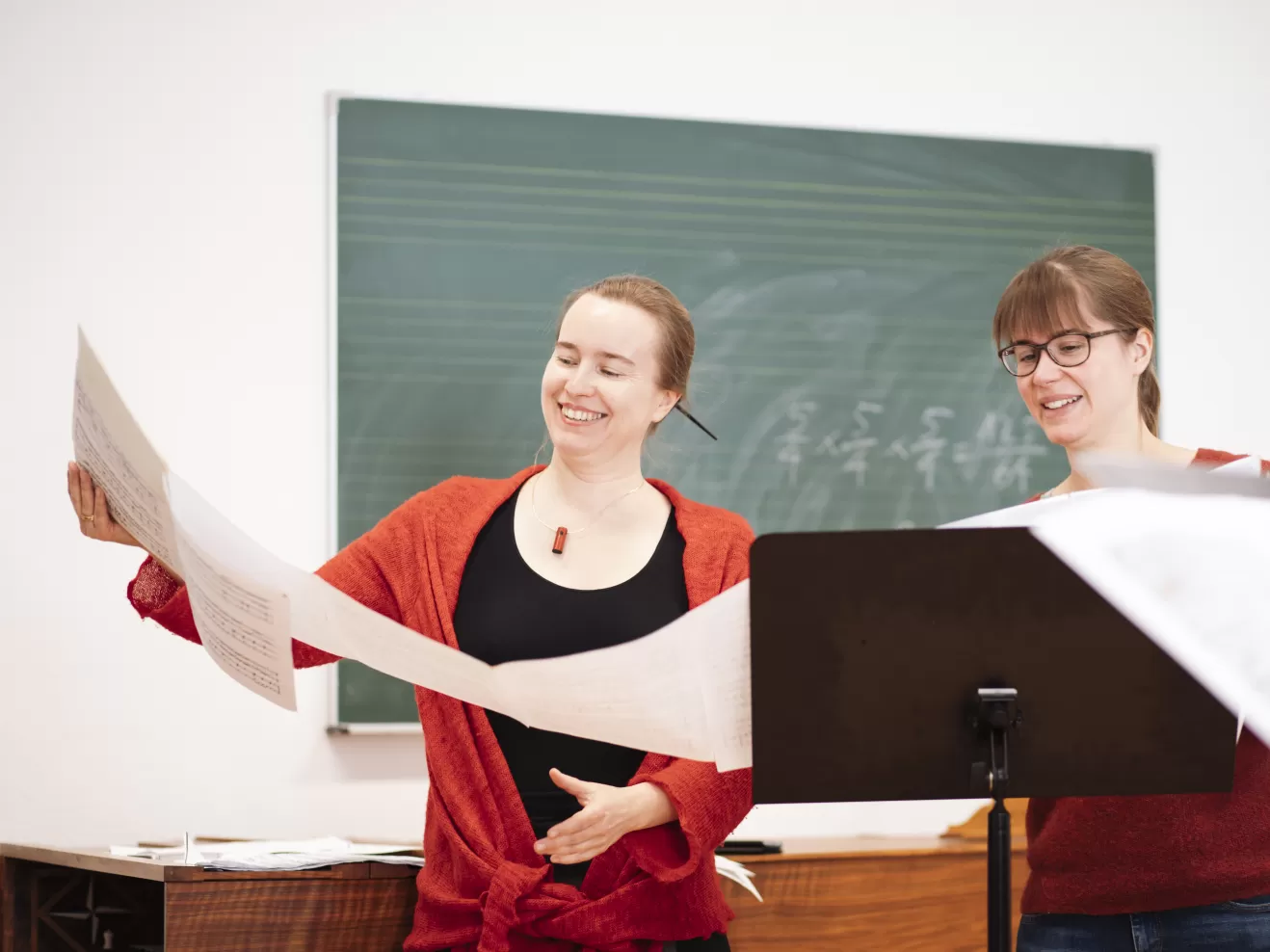
Historical Interpretation Practice is present in the everyday life of the university: our students know no differently that one performance date often follows the next.
In summer we organise the Baroque Nights and in winter a Baroque Marathon - they are the highlights of the HIP academic year. In addition, there are university-wide projects that we implement together with the Institute for Contemporary Music IzM, for example. In addition, students participate in external collaborations such as the Rheingau Music Festival, the concert series "Die kleine Kammermusik" and concerts in the Alte Nikolaikirche Frankfurt.